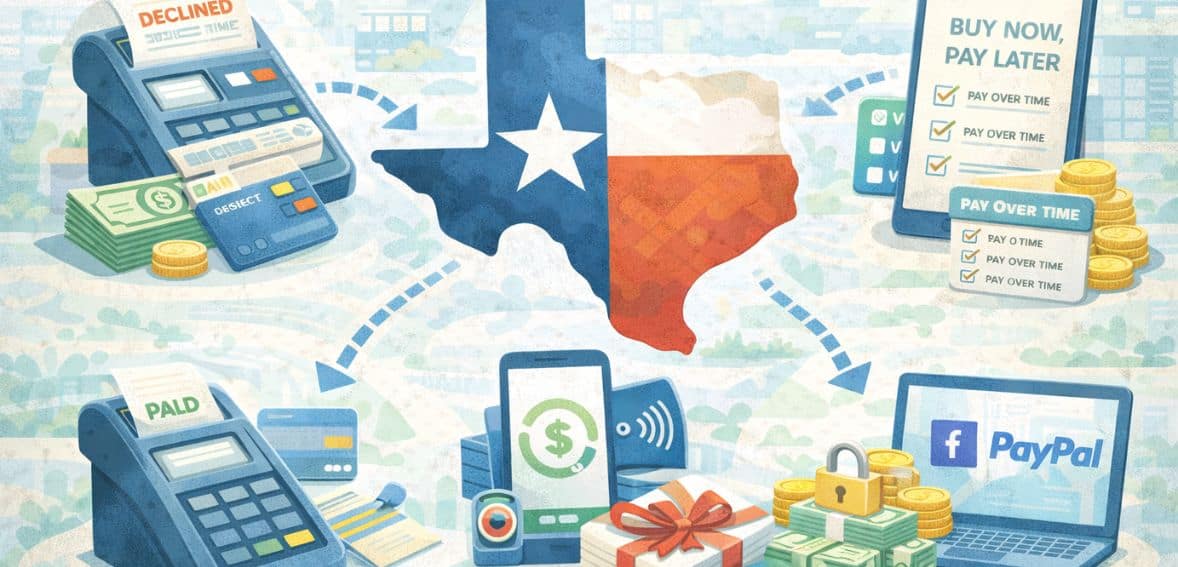
Due to weather-related disruptions, heavy traffic, and growing reliance on digital technology, Texas retailers operate in an unstable environment. Payment disruptions are now a regular operational hazard rather than an uncommon occurrence. Sales cease instantly if a card terminal malfunctions or internet access is lost, unless there are other ways to make payments.
Consumers do not distinguish between inadequate preparation and technical problems. They anticipate continuity. In addition to preventing reputational harm and lowering customer annoyance, backup payment options safeguard daily earnings. Additionally, they reduce employee stress during unplanned outages.
Resilience is a differentiation in Texas’s competitive markets. While some stores turn away consumers, some that are ready for disruptions remain open. Backup payments are not emergency tools; they are operational safeguards that ensure business continuity, customer trust, and consistent revenue even when primary systems fail without warning.
Card Network Outages and Processor Dependency
Outages occur more frequently than retailers anticipate in card networks and processors. Transactions can be immediately interrupted by processor-side mistakes, regional outages, maintenance problems, or routing failures. These shortcomings are instantly felt by Texas stores that process large volumes, particularly during peak hours. Risk is concentrated when a single processor or payment rail is used.
Checkout lines stall, and customers stop making purchases when systems malfunction. Backup strategies preserve operating momentum while distributing risk. Thousands of dollars in lost revenue might result from even short disruptions. After being turned away, customers seldom ever come back.
In order to prevent brief delays from turning into revenue catastrophes, payment acceptance should be diversified. Companies that prepare for processor failure exhibit dependability and professionalism. Payment redundancy is a necessity in the modern world. It is an essential safeguard against unforeseen infrastructure breakdowns that impact even the biggest financial network.
The Strategic Value of Cash Acceptance
Cash is still an essential backup payment option even though its use is decreasing. In Texas, cash is still frequently used at big events, in small towns, and in rural areas. Cash transactions are unaffected by power outages, network issues, or terminal problems. One of the most dependable safety nets is removed when money is eliminated.
During total digital shutdowns, cash enables enterprises to keep running. When electronic systems fail, it also promptly settles conflicts. Risks are decreased by staff training, safe storage, and appropriate currency handling practices. Cash acceptance is durable and not out of date.
Companies that maintain their cash reserves guard against complete shutdowns. Cash is frequently the only practical form of payment in emergencies. Maintaining it guarantees continuity if all digital systems fail at the same time.
Offline Card Processing as a Continuity Tool
Transactions can be recorded during internet disruptions and processed at a later time with offline or store-and-forward card processing. When connectivity is momentarily lost, this feature is helpful. Offline processing keeps Texas retailers from shutting down right away in places with spotty internet connectivity.
It must be used sensibly, though. Risk exposure is decreased by internal controls, card type restrictions, and transaction limits. Instead of taking the place of real-time permission, offline mode should promote continuity. When set up correctly, there is no interruption for clients during the checkout process.
Retailers minimize subsequent declined settlements while maintaining sales. Temporary outages are converted into tolerable delays using offline processing. When used purposefully, it offers a vital link between failure and recovery, enabling stores to continue operating without compromising their long-term financial health.
Mobile Hotspots and Internet Redundancy
For modern payment systems, internet connectivity is a single point of failure. A mobile hotspot offers quick and reasonably priced redundancy. During isolated outages brought on by storms, construction, or service provider problems, cellular networks frequently continue to function. Hotspots make sense as a backup for Texas enterprises that already heavily rely on mobile infrastructure.
Within minutes, connectivity is restored via cellular failover routers or dedicated corporate hotspots. In comparison to lost revenue from downtime, the expense is negligible. Hotspots maintain cloud software, terminals, and point-of-sale systems online. Digital receipts and mobile payments are also supported.
Redundancy on the internet reduces disruptions from emergencies to mere annoyances. While competitors stay offline, losing revenue and customer trust, prepared stores swiftly restart theiroperations. To ensure continuity and flexibility, Texas retailers should support essential payment features that include multiple rails, redundancy tools, and modern checkout options.
Digital Wallets as Secondary Payment Channels
Traditional card payments are frequently routed differently by digital wallets like Apple Pay and Google Pay. Wallets sometimes continue to work even when regular card processing is unsuccessful. Wallet acceptance is becoming more and more expected by Texas customers, especially in urban and suburban regions.
Additionally, wallets expedite checkout and minimize in-person interactions. They provide redundancy as a backup strategy without complicating operations. Enabling wallets in addition to cards increases consumer satisfaction and resiliency. Customers find wallet transactions to be modern, safe, and comfortable.
Wallet taps may still be successful when card swipes are unsuccessful. By accepting digital wallets, payment options are increased, and dependence on a single processing channel is decreased. In contemporary retail settings, they serve as continuity tools in addition to being convenience elements.
QR Code Payments During Hardware Failures
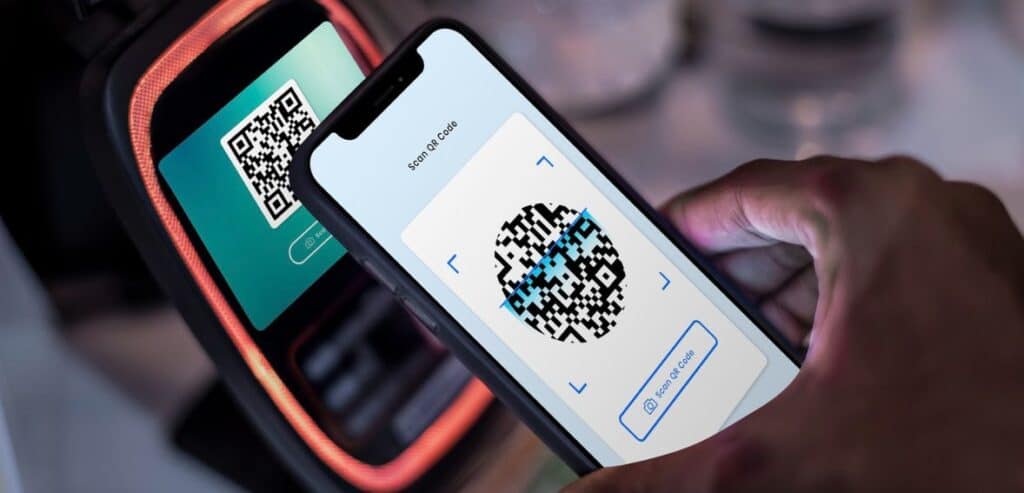
When terminals fail, QR code payments provide an affordable and adaptable backup. Consumers use their own devices to scan a code that is displayed and finish paying via a secure website. This approach functions even in the event of hardware failures and requires very little infrastructure.
Texas retailers can readily implement QR payments using screens or printed signage. QR payments maintain sales during brief delays; they are not the best option for high-speed throughput. Instead of being turned away, customers like having a choice.
When there are workforce shortages or temporary outages, QR payments work especially well. They exhibit flexibility and customer-focusedness. With minimal setup and training required, QR codes serve as a backup option, turning downtime into continuity.
Manual Card Capture and Emergency Fallbacks
Even though they are rarely used anymore, manual card capture methods are still useful in emergencies. Some organizations follow stringent compliance processes and securely save card details for subsequent processing if all electronic systems fail.
This approach necessitates documentation, caution, and training. Retailers in Texas that deal with expensive goods gain the most from manual fallback. It is expensive to lose a big transaction because of brief interruptions.
Important transactions that would otherwise be lost are preserved by manual capture. It is about protecting revenue during severe disruptions, not about speed or convenience. When there are no more digital options, physical fallback options offer a last line of defense when used carefully and cautiously.
ACH Transfers and Bank-Based Payments

ACH payments provide reliability amid card-related failures by completely avoiding card networks. ACH offers a dependable substitute for some transactions, while being slower than cards. The biggest beneficiaries of ACH acceptance are Texas service companies, wholesalers, and B2B retailers. It functions effectively for deposits, bills, and recurring clients.
When cards are unavailable during prolonged disruptions, ACH keeps revenue flowing. Clear communication creates expectations regarding timing. ACH lessens reliance on card processors as a backup technique. Additionally, it reduces processing costs. By ensuring that business activities can continue in the event of a card network failure and diversifying settlement paths, ACH acceptance enhances payment resilience.
Text-to-Pay for Remote Collection
Secure payment links are sent straight to users’ phones by text-to-pay services. Employees can start payments remotely if in-store terminals malfunction. Texas service companies, curbside operations, and appointment-based merchants will find this particularly helpful.
Consumers use their own gadgets to finish payments without having to interact in person. Text-to-pay automatically generates documentation, receipts, and confirmations. It makes collecting easier during outages and lessens reliance on hardware.
It keeps efficiency and professionalism as a fallback. Consumers value the ease of use. If standard checkout procedures are interrupted, text-to-pay guarantees that payment collection will continue, maintaining both income and customer satisfaction at the same time.
Invoicing as a Sales Preservation Tool
Invoicing maintains the transaction in the event that immediate payment is unsuccessful. A robust invoicing system gathers client data and subsequently submits payment requests. Businesses in Texas that cater to local or recurring clients gain the most from this strategy. Payment schedules are changed by invoicing without the deal being cancelled.
Collection is ensured by explicit language, follow-up procedures, and reminders. Structured invoices are preferable to spontaneous ones. It turns lost sales into delayed revenue as a fallback. Communication and trust are essential. When utilized properly, invoicing preserves client connections while safeguarding cash flow in the event of brief payment interruptions.
Staff Training Turns Backups Into Assets

The effectiveness of backup payment mechanisms depends on staff competency. During outages, training guarantees composed, self-assured reactions. Clear playbooks that specify which backup to employ in particular situations are beneficial to Texas retailers.
Disruptions in role-playing increase preparedness. Customers feel reassured when staff members take decisive action. Confusion, delays, and errors are decreased by training. Additionally, it gives employees the ability to adequately clarify possibilities.
Well-prepared teams remain professional under duress. Without training, backup mechanisms remain theoretical. During real-world disruptions, training turns backup plans into operational strengths that safeguard sales and client confidence.
Risk Management by Transaction Size
Not every backup strategy is appropriate for every transaction. Compared to high-value transactions, little purchases allow us greater flexibility. Transaction thresholds for offline or delayed methods should be established by Texas retailers. Risk-based strategies preserve continuity while preventing losses.
Margin protection is provided by clear limitations. Stricter authorization or different approaches can be needed for high-value transactions. Careful policies strike a balance between risk management and resilience. The goal of backup planning is to manage risk wisely rather than to accept it altogether. Staff members are empowered by clear instructions, which also help to avoid inconsistent decisions during outages.
Customer Confidence Through Preparedness
Clients observe readiness. Retailers that bounce back fast from setbacks gain credibility. Options for backup payments convey dependability and professionalism. Consumers in Texas remember companies that manage issues well. Being ready becomes a component of the brand experience.
Loyalty is strengthened over time by this reputation. Consumers stick with companies that value their time and provide solutions. When everything is going well, payment resilience is invisible, but when it’s not, it’s crucial. While unprepared competitors permanently lose clients, prepared stores keep them.
Payment Resilience in Business Continuity Planning

Backup payments belong in broader business continuity planning. Alongside inventory, staffing, and safety plans, payment resilience ensures survival during disruptions. Texas businesses face unique risks from weather, infrastructure strain, and regional events.
Holistic planning reduces chaos and downtime. Payment continuity supports overall stability. Businesses that plan comprehensively recover faster and maintain operations. Backup payments are not isolated tools; they are integral components of operational resilience.
Prepared Stores Stay Open
The purpose of backup payment mechanisms is not to predict failure. They are about honoring reality. Systems break down. Networks fail. Weather causes disruptions. Texas businesses that prepare, maintain their operations, provide client service, and safeguard their earnings.
Uncertainty is transformed into control with backup payments. The greatest competitive advantage in uncertain situations is readiness. Retailers that make redundancy investments are confident in their operations. Businesses that are ready for interruptions keep going while others shut down. Payment resilience makes sure that short-term setbacks don’t turn into long-term losses.
Conclusion
For Texas retailers, backup payment methods are now crucial elements of operational resilience rather than optional security measures. Payment interruptions can occur at any time due to hardware malfunctions, regional emergencies, card network outages, and internet disruptions.
Businesses can safeguard their revenue and reputation by preparing with layered backup options, such as cash, offline processing, mobile connectivity, alternative digital payments, and clear staff procedures. Consumers recall the ease with which issues are resolved rather than the issues themselves.
Stores guarantee continuity even under pressure by preparing ahead of time, training staff, and keeping compliant, adaptable systems. Preparedness distinguishes companies that temporarily close from those that confidently continue to serve customers in competitive markets. In the end, being prepared for backup payments transforms uncertainty into stability and maintains operations.
FAQs
Why should retailers in Texas invest in backup payment options?
Backup payment methods prevent lost sales and customer frustration during outages, which can otherwise bring transactions to a complete stop.
Is cash still necessary as a fallback payment method?
Yes. Cash remains critical during full digital outages because it works without power or internet access.
Do offline card payments pose risks for businesses?
They do carry some risk, but with proper limits, controls, and procedures, they can help manage short-term disruptions effectively.
Do customers expect multiple payment options during outages?
Yes. Customers value flexibility and solutions during disruptions and prefer alternative ways to pay rather than being turned away.
How often should backup payment systems be tested?
Regular testing, such as quarterly reviews or during staff training sessions, helps ensure readiness when disruptions occur.